Iran will take ‘necessary actions’ to block military use of Strait of Hormuz: foreign ministry spox

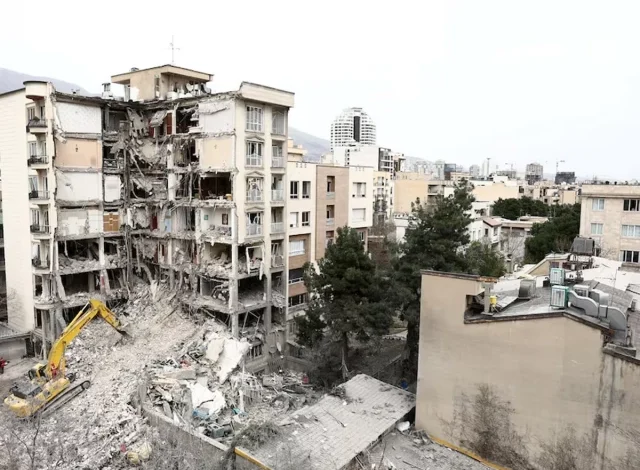
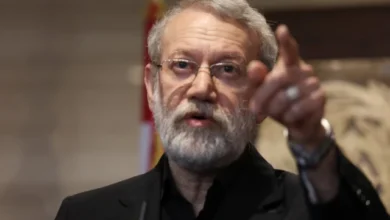
Iranian Foreign Ministry spokesperson Esmaeil Baqaei said on Thursday Iran will take ‘necessary actions’ to prevent the Strait of Hormuz from being exploited for ‘military aggression’ against the country, according to Tasnim News Agency.
The spokesman for Iran’s Ministry of Defence said that “the enemy has been defeated in seven arenas,” according to Fars News.
Brigadier General Reza Talaie‑Nik said that the “enemy has suffered a heavy defeat in dismantling the state, weakening the armed forces, creating a schism in national sovereignty, causing internal riots, opening the strategic Strait of Hormuz, as well as sidelining people from resisting.”
The Defence Ministry demanded either to be compensated or to retaliate in equal measure through the removal of American military personnel from the region, destruction of American bases, and guaranteeing no renewed war against Iran and the region.
Iran launched three barrages of missiles toward northern Israel since early Thursday, according to Israeli Channel 12.
Air raid sirens sounded across wide areas of northern Israel, while the channel said interception efforts were underway.
Iranian state television claimed that Iranian missiles reached the port city of Haifa minutes after Trump’s remarks about Iran having only a limited number of missile launchers left.
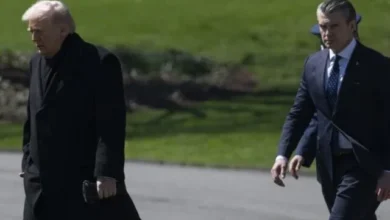
Trump said in a televised speech on Wednesday night that the US military had nearly accomplished its goals in Iran, but offered no clear timeline for ending the monthlong war and vowed to bomb the country back into the “Stone Ages.”
But he declined to lay out a concrete plan to wind down the war, now in its fifth week, beyond saying that the US would finish the job “very fast.”
“We have all the cards,” Trump said from the White House in his first primetime address since the US and Israel launched the war on February 28. “They have none.”
He glossed over some major unresolved issues, such as the status of Iran’s enriched uranium and access through the Strait of Hormuz, a conduit for global oil supplies which Iran has effectively closed.
The strait, he said, would open “naturally” once the war ended.
Read: US eyes a swift end to war as fresh attacks hit Gulf states and Iran
Trump’s 19-minute address broke little new ground and offered scant reassurance to Americans and US allies who are feeling increasing pain at the gas pump and growing impatience with the war.
Facing a war-wary American public, sliding approval ratings, and pressure from some allies to outline his war aims in more precise and consistent terms, Trump said the US had destroyed Iran’s navy and air force, and crippled its ballistic missile and nuclear programs.
Stocks fell, the dollar firmed, and oil rose shortly after Trump’s comments, reflecting widespread sentiment that the conflict is likely to drag on for some time.
Iran has retaliated with drone and missile strikes targeting Israel, along with Jordan, Iraq, and Gulf countries hosting US military assets, causing casualties and damage to infrastructure while disrupting global markets and aviation.
A spokesperson for the unified command of Iran’s armed forces has warned the US and Israel of “more crushing, broader and destructive actions”.
“With trust in Almighty God, this war will continue until your humiliation, disgrace, permanent and certain regret, and surrender,” the spokesperson said in a statement carried by state TV.
Read More: Iran calls out Trump over ‘fake’ ceasefire claim
War’s vague timeline, unclear goals
A day earlier, Trump told reporters Tehran did not have to make a deal as a prerequisite for the conflict to wind down.
While the president on Wednesday briefly acknowledged growing concerns among Americans that the war is making gasoline unaffordable, he insisted that prices would soon go down and that the increases were mainly Iran’s fault.
He added that countries that get most of their oil supply from the Gulf region should take the lead in opening the strait. Britain, France and other US allies have said they are willing to help keep the strait open, but only after hostilities have ceased.
“They can do it easily,” Trump said. “We will be helpful, but they should take the lead in protecting the oil that they so desperately depend on,” he said.
Trump has expressed anger that NATO allies have not offered to help open the strait, even threatening to withdraw from the 76-year-old alliance.
While he had told Reuters earlier in the day that he would discuss the US relationship with NATO in his speech, he did not mention the bloc.
Also Read: One month into Iran war, only hard choices for Trump
Public wants war over
In a Reuters/Ipsos survey conducted Friday through Sunday, 60% of voters said they disapproved of the war, while 35% approved. Some 66% of respondents said the US should work to end its involvement in the war quickly, even if that meant not achieving the goals set out by the administration.
Trump, meanwhile, has flirted with options both to escalate and de-escalate the conflict, and his next moves are unclear, even to some close advisers. His speech offered little additional clarity.
Administration officials have floated a daring operation to physically seize Iran’s remaining stockpiles of highly enriched uranium, as well as ground operations to seize strategic pieces of land – including parts of Iran’s coastline and Kharg Island, through which Iran exports the vast majority of its oil.
Thousands of additional troops continue to sail toward the Gulf region, indicating the president wants to keep his military options open.
Trump asked Americans to “keep this conflict in perspective,” noting prior wars in Iraq, Vietnam and Korea had required far longer US involvement.