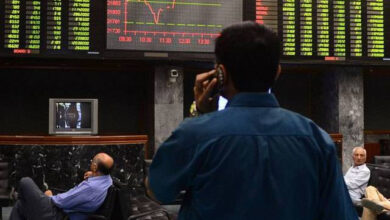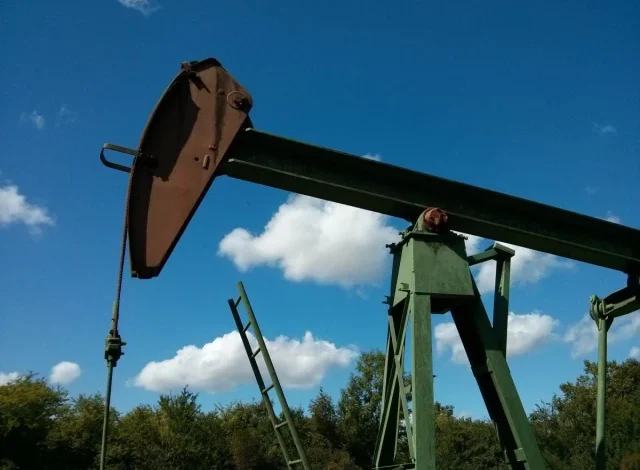
Oil prices rose on Thursday, with benchmark Brent gaining as much as $5 a barrel after Iran attacked energy facilities across the Middle East, following a strike on the South Pars gas field in a major escalation of the war involving the United States and Israel.
Brent futures were up $4.66, or 4.3%, at $112.04 a barrel by 0400 GMT, after earlier rising more than $5 to $112.86. US West Texas Intermediate (WTI) crude rose 96 cents, or 1%, to $97.28 a barrel, after climbing more than $3.
Brent had settled 3.8% higher on Wednesday, while WTI ended nearly flat. The US benchmark has been trading at its widest discount to Brent in 11 years, weighed by releases from US strategic reserves and higher freight costs, while renewed attacks on Middle Eastern energy infrastructure lent support to Brent.
Read: Iran was not rebuilding nuclear enrichment, US intelligence finds
“Escalation in the Middle East, targeted attacks on oil infrastructure, and the death of Iranian leadership all point to a prolonged disruption in oil supplies,” Phillip Nova analyst Priyanka Sachdeva said.
“Adding fuel to the fire, the Federal Reserve maintained steady rates with a hawkish outlook, highlighting economic concerns stemming from the war,” she added.
The US central bank held interest rates steady on Wednesday, while projecting higher inflation as policymakers assess the impact of the conflict.
QatarEnergy said Iranian missile strikes on Ras Laffan — the centre of Qatar’s LNG operations — caused “extensive damage” to the facility.
Saudi Arabia said it intercepted and destroyed four ballistic missiles fired towards Riyadh on Wednesday, along with a drone targeting a gas facility.
Iran issued evacuation warnings ahead of strikes on oil facilities across Saudi Arabia, the UAE and Qatar, in retaliation for attacks on its own energy infrastructure in South Pars and Asaluyeh.
South Pars is the Iranian section of the world’s largest natural gas field, which Iran shares with US ally Qatar.
US President Donald Trump said late on Wednesday that Israel carried out the South Pars attack, adding that neither the United States nor Qatar was involved.
Read More: Gulf states, Iran trade barbs at UN meeting
He said Israel would refrain from further strikes unless Iran targets Qatar, warning that Washington would respond if Tehran acts against Doha.
Oil prices are likely to remain supported as Iran’s latest strikes on regional energy infrastructure heighten tensions, with no sign of de-escalation or a near-term reopening of the Strait of Hormuz, said Tina Teng, market strategist at Moomoo ANZ.
Earlier, Reuters reported that the Trump administration is considering deploying thousands of US troops to the Middle East as it prepares next steps in its campaign against Iran.
Options include securing safe passage for oil tankers through the Strait of Hormuz, primarily using air and naval forces, though troop deployment remains under consideration, the report said.